Travel & tourism
Travel has evolved far beyond checklist tourism and photo opportunities at landmark sites. Modern travelers increasingly seek meaningful experiences that transform perspectives, forge genuine connections, and contribute positively to the communities they visit. This shift reflects a deeper understanding that the most valuable souvenirs are insights, relationships, and personal growth rather than material objects.
Whether you’re drawn to cultural immersion in unfamiliar communities, healing through wilderness experiences, tracing ancestral roots, or contributing skills through volunteering, contemporary travel offers pathways to profound transformation. The key lies in approaching each journey with intentionality, respect, and adequate preparation. This comprehensive resource explores the foundational principles and practical considerations across diverse travel styles, helping you design experiences aligned with your values and aspirations.
From understanding cultural sensitivity to optimizing gear for extreme environments, from breaking through language barriers to ensuring your volunteer work creates genuine impact, the following sections provide the knowledge foundation for responsible, enriching travel that benefits both you and the places you visit.
Cultural Immersion: Experiencing Authentic Local Life
Surface-level tourism—rushing between attractions with minimal local interaction—leaves travelers feeling unfulfilled despite packed itineraries. Cultural immersion offers an antidote: slowing down to understand how communities actually function, what they value, and how daily life unfolds beyond tourist zones.
The value of immersion extends beyond personal enrichment. When approached respectfully, it creates economic opportunities for locals outside conventional tourism channels and fosters cross-cultural understanding that challenges stereotypes. Think of immersion as learning a language through conversation rather than textbooks—context, nuance, and relationship make abstract concepts tangible and memorable.
Successful immersion requires deliberate choices. Selecting the right local guide or cultural liaison can mean the difference between voyeuristic observation and genuine exchange. Look for guides from the community itself who share openly rather than performing rehearsed narratives. Home-stays and locally-owned guesthouses naturally facilitate interaction, while major hotel chains often insulate guests from authentic neighborhood rhythms.
Navigate this territory carefully by avoiding cultural appropriation—the extraction of cultural elements without understanding or respect. Participate in ceremonies only when invited, ask permission before photographing people or sacred sites, and recognize that not everything is meant for outsider consumption. Gift etiquette varies dramatically across cultures; research appropriate gestures in advance, as well-intentioned offerings can sometimes cause offense. Expect culture shock as your assumptions about “normal” behavior get challenged, and build routines that help you process these disorienting moments constructively.
Nature-Based Travel: Reconnecting With Natural Environments
Research on nature deficit—the documented psychological and physical costs of insufficient time outdoors—has sparked renewed interest in wilderness-focused travel. Natural environments offer restoration unavailable in urban settings, with measurable benefits including reduced stress hormones, improved focus, and enhanced emotional regulation.
Seasonal timing dramatically shapes nature experiences. Spring wildflower blooms, autumn foliage transformations, wildlife migration patterns, and weather conditions all create distinct seasonal personalities for any given location. Planning around these natural cycles ensures you encounter landscapes at their most compelling while avoiding dangerously unpredictable weather windows.
Sustainable travel practices protect these environments for future visitors. Minimizing your carbon footprint begins with transportation choices—trains over flights when feasible, shared transportation over individual vehicles, and human-powered movement like cycling or walking whenever practical. Slow travel logistics—spending extended time in fewer places—reduces both environmental impact and that perpetual rushed feeling that undermines relaxation.
The slow travel approach requires mental adjustment. Instead of maximizing destinations visited, you’re optimizing depth of experience. This might mean renting a cottage for a week to explore hiking trails radiating from a central base, or cycling between small towns with multiple overnight stops. The rhythm feels counterintuitive initially but ultimately proves more satisfying than exhausting whirlwind itineraries.
Active Adventures: From Cycling Holidays to Extreme Expeditions
Walking and cycling holidays offer intimate landscape engagement impossible from vehicle windows. The human-powered pace allows you to notice details—architectural elements, plant species, local sounds and scents—that blur past at highway speeds. These active journeys also provide built-in fitness benefits and the satisfaction of arriving somewhere through your own effort.
Planning Cycling and Walking Routes
Route planning balances ambition with realistic fitness estimation. Beginners often overestimate their capabilities, designing routes that require daily distances or elevation gains beyond their current conditioning. Start conservatively—you can always extend daily distances if you’re feeling strong, but cutting short an overly ambitious route can be logistically complicated. Terrain matters more than raw distance; rolling hills add significantly more challenge than flat equivalent mileage.
Bike choice depends on terrain and luggage approach. Touring bikes with panniers offer self-sufficiency but added weight. Luggage transfer services let you ride with just essentials while your main bag travels ahead to each night’s accommodation, making lighter road bikes viable. This service typically costs between modest fees per transfer and adds tremendous comfort, particularly on hilly routes.
Extreme Environment Considerations
High-altitude treks, desert crossings, polar expeditions, and other extreme adventures require specialized preparation. Acclimatization rules aren’t optional suggestions—they’re essential protocols that prevent potentially fatal conditions. Altitude sickness, for instance, results from ascending too quickly; staged ascent with rest days allows your body to adapt to reduced oxygen levels.
Insurance fine print deserves careful attention before extreme expeditions. Many standard policies exclude high-risk activities or locations beyond certain altitudes. Specialized adventure travel insurance costs more but provides essential coverage including emergency evacuation, which can otherwise result in devastating expenses.
Gear optimization involves ruthless prioritization since every ounce matters when you’re carrying everything. The footwear debate—boots versus trail runners—depends on terrain, ankle stability needs, and personal preference. Layering systems regulate body temperature more effectively than single heavy garments. Tent selection balances weight against livability and weather protection. Food planning must account for caloric needs that spike during strenuous activity in cold conditions. Professional pack fitting ensures weight distributes comfortably across hips rather than straining shoulders.
Purpose-Driven Journeys: Heritage Exploration and Ethical Volunteering
Genealogy Tourism: Tracing Your Roots
Heritage travel connects you to ancestral homelands, transforming abstract family history into tangible experience. This emotionally charged travel style combines archival research, site visits, and sometimes interviews with distant relatives or community elders who remember your family line.
Archive access requires advance planning. Many records remain undigitized, requiring in-person visits to local historical societies, churches, or government offices. Contact these institutions beforehand to understand their hours, access procedures, and whether appointments are required. Hiring a local genealogy specialist familiar with regional record-keeping systems can dramatically accelerate your research.
Interviewing elders yields irreplaceable oral history, but approach these conversations with sensitivity. Recording life stories can feel intrusive; always request permission and be prepared for emotional responses as memories surface. The emotional toll of genealogy tourism surprises many travelers—discovering difficult family circumstances or standing where ancestors experienced hardship can trigger unexpected grief.
Responsible Volunteering Abroad
Well-intentioned volunteering can inadvertently cause harm when poorly conceived. Orphanage scams represent the darkest example—facilities that institutionalize children specifically to attract volunteer fees and donations, despite most children having living parents. Avoid any program involving direct care for vulnerable populations unless you’re a qualified professional contributing legitimate expertise.
Effective volunteering matches your actual skills to genuine community needs identified by locals themselves, not external organizations deciding what communities “should” want. Sustainability checks verify that programs build local capacity rather than creating dependence. Financial transparency about how fees are allocated indicates organizational integrity. Cultural preparation helps you understand the context you’re entering.
Professional pro-bono work, remote mentoring, and board membership for international organizations often create more meaningful impact than short-term physical volunteering. These approaches leverage your genuine expertise while respecting that construction, teaching, and caregiving are skilled professions best performed by local professionals who understand cultural context and will remain after volunteers depart.
Essential Foundations: Preparation, Safety, and Communication
Practical Preparation and Risk Management
Packing essentials vary by destination and travel style, but some principles hold universally. Weather preparedness requires researching not just average temperatures but precipitation patterns, humidity levels, and potential extreme events. Comfort level differs individually—some travelers happily rough it while others need certain amenities to enjoy themselves. Neither approach is superior; honest self-assessment prevents misery.
Risk management in any environment starts with understanding potential hazards specific to your destination. Water purification methods prevent illness in regions with questionable water safety. Emergency communications—whether satellite messengers, local SIM cards, or predetermined check-in schedules—ensure you can summon help if needed. Solo versus group travel involves different risk profiles; solo travel offers freedom but eliminates the safety net of companions who notice if something goes wrong.
Breaking Through Language Barriers
Language acquisition transforms travel experiences by enabling direct communication without translator intermediaries. Even basic proficiency signals respect and opens interactions impossible for monolingual visitors. The fear of speaking—concern about mistakes or accent—prevents many from attempting communication, but most locals appreciate effort over perfection.
Tandem language partners provide free practice through reciprocal exchange—you help them with your language while they assist with theirs. Media consumption in your target language accelerates learning; watching shows with subtitles builds vocabulary in context. Plateau breaking when progress stalls often requires changing your approach—if apps aren’t working, try conversation practice; if grammar study feels stale, focus on listening comprehension. Accent reduction matters less than clarity and confidence.
Communication skills extend beyond vocabulary to cultural literacy about indirect versus direct communication styles, appropriate formality levels, and conversation topics considered polite or taboo. These subtleties often determine whether interactions feel stilted or flow naturally.
Travel at its finest challenges assumptions, builds capabilities, and creates connections that transcend geographic and cultural boundaries. By approaching each journey with curiosity, respect, adequate preparation, and commitment to mutual benefit, you transform tourism from passive consumption into active engagement that enriches all involved. The foundational principles explored here apply across countless specific contexts—adapt them thoughtfully to your unique interests and circumstances, and your travels will yield insights and relationships that endure long after you return home.

Learning Languages: Why Immersion Beats Apps Every Time
Contrary to popular belief, language apps are not a path to fluency; they are often the cause of the intermediate plateau. True language acquisition is a biological process of rewiring neural pathways, triggered by making and correcting errors in real…
Read more
Skill-Based Volunteering: A Strategic Guide to Donating Expertise, Not Just Time
Contrary to popular belief, the most valuable contribution a professional can make isn’t their free time, but the strategic transfer of their core expertise. True impact is measured in outcomes and newly built capabilities for the non-profit, not in hours…
Read more
How to Spot Unethical Voluntourism Programs Before Paying?
Contrary to popular belief, the ethics of a volunteer program don’t depend on the organization’s promises, but on a critical self-audit of your own privilege, skills, and motivations. Most “unskilled” volunteer work, especially with children or in construction, actively displaces…
Read more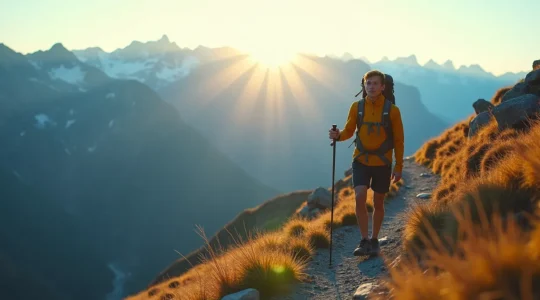
Ultralight Hiking Gear: Why Saving 500g Is an Investment, Not a Cost
The debate over ultralight gear isn’t about its price tag; it’s a fundamental misunderstanding of its purpose. It’s not about buying lighter things, but about buying into a more efficient system. Every gram saved is a direct investment in on-trail…
Read more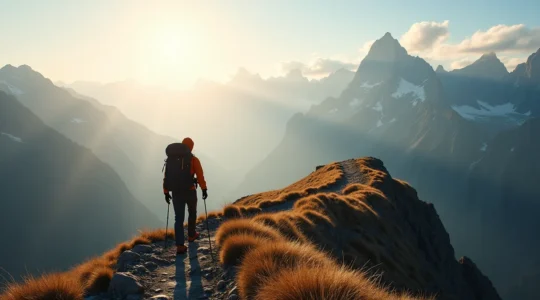
How to Prepare for High-Altitude Trekking Safely?
Successful high-altitude trekking isn’t determined by your fitness level, but by your rigorous application of safety margins and system redundancy. Acclimatization is a non-negotiable physiological law, not a flexible guideline. Your insurance and gear choices must be based on a…
Read more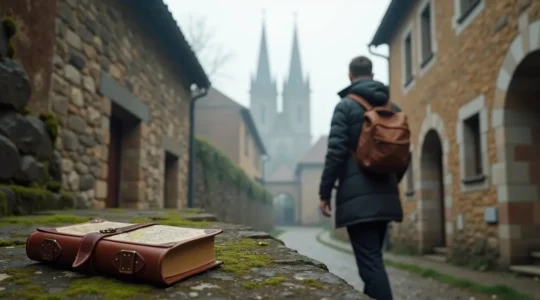
Tracing Your Roots: The Field Guide to a Successful Genealogy Trip Abroad
In summary: Prioritize physical parish records over online data for richer contextual clues about your ancestors’ lives. Use strategic, empathetic approaches to interview distant relatives and transform them into research partners. Recognize when to hire a local “fixer” to navigate…
Read more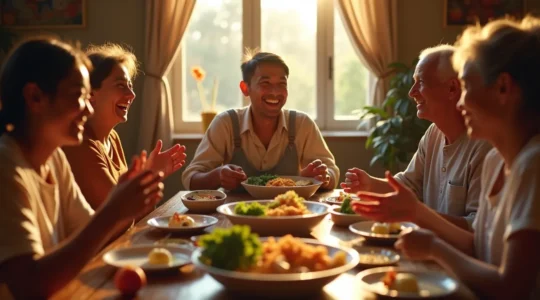
How to Plan a Month-Long Homestay for True Immersion?
True cultural immersion during a long-term homestay is not an accident; it is a project to be managed with logistical precision. Success relies on actively deconstructing communication barriers with systematic tools, not just learning phrases. Integrating into local life requires…
Read more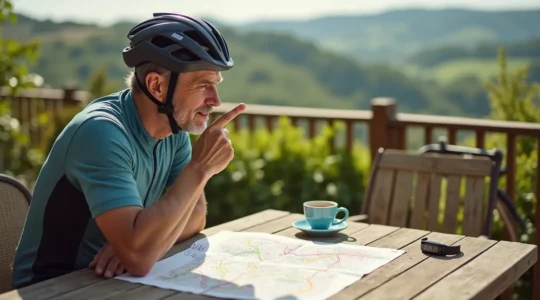
How to Plan a Cycling Holiday That Matches Your Actual Fitness Level?
The secret to a perfect cycling holiday isn’t your peak fitness; it’s planning based on sustainable effort rather than ambitious mileage. Shift from distance-based goals (e.g., 60 miles/day) to effort-based goals that account for elevation, terrain, and weather. Realistically assess…
Read more
How to Plan a Forest Bathing Trip for a True Mental Reset?
A true forest bathing trip isn’t a passive stroll; it’s an active practice to recalibrate a stressed urban nervous system. This guide reframes the experience from a simple walk into a targeted, science-backed intervention. You’ll learn the physiological mechanisms that…
Read more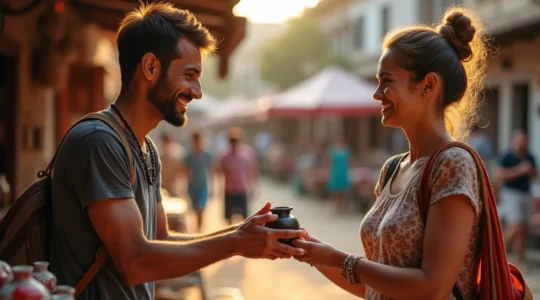
How to Find Authentic Cultural Experiences Without Falling into Tourist Traps?
Authentic travel isn’t about discovering a hidden spot; it’s about shifting your mindset from a spectator to a respectful participant. This involves understanding a culture as a living ecosystem, not a product to be consumed. The key is seeking reciprocal…
Read more