Art & culture
Art and culture shape how we perceive the world, influence economic systems, and define collective identity. Far from being abstract luxuries, they form the foundation of creative innovation, social cohesion, and personal development. Whether you’re contemplating your first art purchase, designing a space that fuels imagination, or considering a career pivot into the creative sector, understanding the multifaceted role of art and culture equips you with practical knowledge that transcends aesthetic appreciation alone.
This exploration connects investment strategies with cognitive science, preservation techniques with economic impact, and social dynamics with career realities. By examining how art functions as both asset and inspiration, cultural artifact and political tool, you’ll gain a comprehensive framework for engaging with this field confidently—whether as collector, creator, or informed participant in cultural conversations.
Building Your Art Collection: Investment and Authentication
Entering the art market requires balancing aesthetic passion with financial pragmatism. Asset appreciation in art differs fundamentally from traditional investments: a painting’s value depends on provenance, artist reputation, condition, and market trends that can shift unpredictably. Recent analyses suggest diversification across mediums—prints, sculptures, digital formats—reduces exposure to sector-specific volatility.
Understanding Format and Authenticity
Format choice significantly impacts both initial cost and long-term value. Original works command premium prices but offer singular ownership, while limited edition prints provide accessibility with moderate appreciation potential. Authentication becomes critical regardless of format: certificates of authenticity, artist signatures, and third-party verification protect against forgeries that plague every price bracket. Reputable galleries and auction houses employ specialists who examine materials, techniques, and historical records to confirm provenance.
Navigating Market Dynamics
Art markets experience cyclical patterns similar to financial sectors. Speculative bubbles emerge around particular movements or emerging artists, driven by collector enthusiasm rather than intrinsic value. Auction calendars reveal seasonal patterns—major houses concentrate high-value sales in spring and autumn—creating opportunities for strategic timing. Resisting buying pressure during heated auctions and maintaining disciplined follow-up with galleries establishes sustainable collecting practices that prioritize personal connection over speculative gain.
Designing Spaces That Inspire Creativity
Physical environments profoundly influence creative output. Research in environmental psychology demonstrates that lighting quality, spatial organization, and sensory stimulation directly affect cognitive flexibility and problem-solving capacity. Designing home environments for creativity requires intentional choices that balance aesthetic appeal with functional support for focused work.
Essential Elements for Creative Spaces
- Natural light optimization: Position workspaces near windows while controlling glare through adjustable treatments that preserve color accuracy
- Acoustic management: Basic soundproofing using dense fabrics, strategic furniture placement, and acoustic panels minimizes distractions without expensive construction
- Flexible storage: Modular systems accommodate evolving project needs while maintaining visual order that reduces cognitive load
- Multi-purpose furniture: Convertible surfaces and mobile units maximize limited square footage without compromising specialized tool access
Biophilic Design Integration
Incorporating natural elements—living plants, natural materials, organic forms—creates measurable psychological benefits. Studies tracking creative workers show improved concentration, reduced stress markers, and enhanced mood in biophilically designed environments. Simple interventions like wooden textures, stone accents, or strategically placed vegetation generate disproportionate returns on modest investments.
How Art Shapes Thinking and Perception
Engaging with art develops cognitive flexibility—the capacity to shift perspectives and consider multiple interpretations simultaneously. Visual thinking strategies, initially developed for museum education, train observers to slow down, gather evidence, and construct meaning collaboratively. This process transfers directly to professional contexts requiring analysis of ambiguous information or innovative problem-solving.
Regular art exposure strengthens critical analysis skills by presenting scenarios without predetermined answers. A single painting supports countless valid interpretations, teaching viewers to substantiate claims with visual evidence while remaining open to alternative readings. This intellectual humility and evidence-based reasoning helps counteract confirmation bias by modeling productive uncertainty. Curating your digital feed with diverse artistic voices—across cultures, time periods, and aesthetic philosophies—expands reference frameworks and challenges unconscious assumptions about what constitutes quality or relevance.
Navigating the Art World: Events, Networks, and Etiquette
The art world operates through interconnected communities where relationships often matter as much as portfolio quality. Understanding social etiquette and strategic event selection accelerates meaningful connections while avoiding common missteps that mark outsiders.
Strategic Event Selection
Not all openings, fairs, and symposiums offer equal networking value. Gallery openings provide informal environments for approaching artists and dealers, while major fairs concentrate international collectors and industry professionals. Museum routines—attending recurring lectures, joining docent-led tours, participating in member previews—build familiarity with institutional staff and serious collectors who prioritize educational engagement over transactional encounters.
Preparation and Follow-Up
Effective preparation involves researching featured artists, reviewing recent market activity, and formulating thoughtful questions that demonstrate genuine interest rather than investment motives alone. Post-event follow-up distinguishes casual attendees from serious participants: personalized messages referencing specific conversations, sharing relevant articles, or proposing concrete next steps transform brief exchanges into lasting professional relationships. Avoid aggressive buying pressure or premature requests for studio visits—relationships in this field develop through repeated, low-stakes interactions that establish mutual trust.
Creative Careers: Opportunities and Realities
Career transitions into creative fields require confronting romanticized narratives with practical realities. The freelance reality combines exceptional autonomy with income volatility, irregular schedules, and self-directed professional development. Successful pivots typically involve gradual transitions—maintaining stable income while building portfolios and client bases—rather than abrupt departures from established careers.
Navigating Legal and Financial Foundations
- Copyright protection: Understand moral rights, reproduction permissions, and licensing agreements that govern how your work can be used commercially
- Diversified funding sources: Combine direct sales with grants, commissions, teaching, and licensing to weather market fluctuations
- Professional infrastructure: Establish contracts, invoicing systems, and tax compliance protocols before financial stakes escalate
Copyright risks often blindside emerging creatives—unauthorized reproductions, derivative works, and disputed ownership damage both income and reputation. Registering significant works, using watermarks strategically, and consulting intellectual property specialists for commercial agreements prevents costly disputes. Meanwhile, cultivating multiple revenue streams insulates against sector-specific downturns and provides creative freedom to pursue speculative projects.
Preserving Cultural Heritage for Future Generations
Heritage preservation balances historical authenticity with contemporary functionality. Adaptive reuse projects—converting historic structures into galleries, studios, or cultural centers—must navigate complex permitting processes while respecting original architectural character. Material compatibility becomes critical: modern interventions using incompatible substances can accelerate deterioration of historic fabric.
Preservation specialists assess existing conditions, research period-appropriate techniques, and develop phased interventions that prioritize stabilization over cosmetic restoration. Hidden costs frequently derail well-intentioned projects—hazardous material remediation, accessibility upgrades mandated by current standards, and energy retrofitting to meet sustainability benchmarks. Successful preservation requires integrating style coherence with functional improvements: climate control systems concealed within historic envelopes, accessible routes designed to minimize visual impact, and lighting that enhances rather than compromises original features.
The Economics and Politics of Culture
Cultural production generates measurable economic impact extending far beyond ticket sales and art market transactions. Creative industries drive urban regeneration, attract skilled workers, and cultivate innovation ecosystems that benefit adjacent sectors. Quantifying this impact involves tracking direct employment, tourism revenue, property value appreciation, and spillover effects into hospitality, retail, and technology sectors.
Soft power dynamics position culture as geopolitical currency. Nations invest in cultural exports—film industries, museum exchanges, architectural showcases—to shape international perceptions and extend influence without military or economic coercion. Cultural diplomacy builds nuanced understanding and generates goodwill that facilitates cooperation across political differences. This strategic dimension explains substantial public funding for arts programming despite competing budget priorities: cultural vitality signals societal health and projects values that transcend immediate economic returns.
Understanding art and culture as interconnected systems—where aesthetic choices influence property values, preservation decisions reflect political priorities, and creative skills reshape professional landscapes—empowers informed participation. Whether you engage as collector, creator, or conscientious citizen, recognizing these multifaceted relationships transforms passive consumption into active contribution to cultural vitality.

Form vs Function: Why Minimalist Design Often Fails Users?
Contrary to popular belief, minimalist design fails not because of its simplicity, but because it prioritizes aesthetics over the fundamental cognitive principles of usability. Stripping away visual cues (affordances) increases a user’s mental effort (cognitive load), leading to frustration. True…
Read more
The Architect’s Method: Modernize Your Historic Home and Enhance Its Value
The greatest mistake in renovating a historic home is focusing on style (modern vs. traditional) instead of the core conservation principle of reversibility. Modern, non-breathable materials like Portland cement can trap moisture and permanently destroy historic brickwork from the inside…
Read more
The Bilbao Effect Deconstructed: How Creative Industries Systematically Revitalize Urban Centers
Creative urban renewal is not a gamble on culture, but a predictable economic engine when investments are properly sequenced and managed as a complete ecosystem. Success hinges on a phased approach, starting with low-cost temporary projects to prove viability before…
Read more
How to Network at Art Fairs Without Being an Expert?
Contrary to popular belief, networking in the art world isn’t about having deep pockets or encyclopedic knowledge. The key is to shift your focus from “what does it mean?” to “how was it made?”. By embracing an attitude of informed…
Read more
How to Use Art Appreciation to Improve Problem-Solving Skills?
Art appreciation is a powerful tool for cognitive enhancement, not just creative inspiration; it actively restructures the brain’s prefrontal cortex to improve problem-solving. Engaging with abstract art directly trains the brain to tolerate ambiguity, a critical skill in complex decision-making….
Read more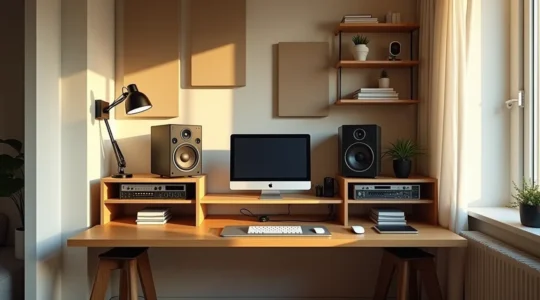
How to Design a Dedicated Home Studio in a Small Apartment
Contrary to popular belief, creating a functional home studio in a tight space isn’t about cramming in gear or simply finding a spare corner. The key is to approach your apartment as an architect would: by designing an environment that…
Read more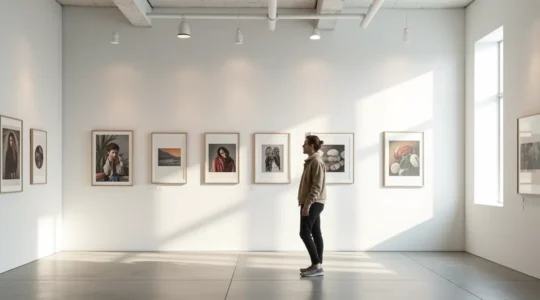
How to Start Collecting Art with a Budget of Under $1,000?
Building an art collection on a budget is less about luck and more about adopting an investor’s strategic mindset to identify undervalued assets. Focus on emerging artists and limited edition prints, which offer the highest potential for appreciation at accessible…
Read more